Steel Recycling Prices UK — What Scrap Yards Pay
What UK scrap yards pay today for cast iron radiators, washing machines, end-of-life cars, RSJ beams and other recyclable steel — plus live per-kg rates by grade. Refreshed every few minutes.
Last updated 30 September 2026, 19:32 UK time
Typical Steel Recycling Payouts in the UK
Estimated payouts UK scrap yards pay for common household and commercial steel items. Actual figures vary by yard, grade purity, and condition.
| Item | Typical Weight | Estimated Payout |
|---|---|---|
| Cast iron radiator (single panel) | 25–40 kg | £4–8 |
| Cast iron radiator (double panel) | 40–65 kg | £6–13 |
| Washing machine | 60–80 kg | £4–8 |
| Fridge / freezer (degassed) | 40–60 kg | £3–6 |
| Cooker / oven | 40–60 kg | £3–6 |
| Steel bath | 30–50 kg | £3–7 |
| Manhole cover (cast iron) | 40–60 kg | £6–12 |
| End-of-life car (whole) | 800–1,200 kg | £100–250 |
| Steel RSJ beam (per metre) | 15–40 kg | £2–9 |
Use our steel weight calculator for a personalised estimate.
Quick Answer
Today's UK steel recycling payouts (September 2026): cast iron radiator £4–13, washing machine £4–8, end-of-life car £100–250, RSJ beam £2–9 per metre. Per-kg grade rates sit at £0.07–0.28/kg depending on type. All UK scrap yards must hold a Scrap Metal Dealers Act 2013 licence and cash payment is banned — payment is by bank transfer or cheque. Sorting steel by grade before selling increases payout by 20–30%.
Per-kg & Per-tonne Rates by Grade
| Grade | Price / kg |
|---|---|
HMS 1 Heavy Steel, Heavy Iron | £0.150 |
Light Iron Tin Cans, White Goods | £0.070 |
Cast Iron Radiators, Manhole Covers | £0.150 |
HMS 2 Light Steel, Mix Iron | £0.08–£0.30 |
P&S (Plate & Structural) Girders, Heavy Plate | £0.18–£0.32 |
For the full grade breakdown see scrap steel prices, or stainless steel recycling prices for 304 / 316 rates.
Breaking down cast iron & demolition gear
Affiliate disclosure: we earn a small commission from Amazon purchases made via these links, at no extra cost to you.
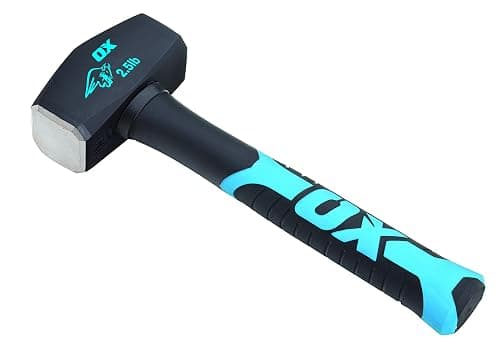
OX Club Hammer - Sledgehammer with Fibreglass Handle - Forged and Induction Hardened Hammerhead - 2.5 lb / 1.1 kg
Break cast iron radiators and manhole covers into yard-friendly pieces.
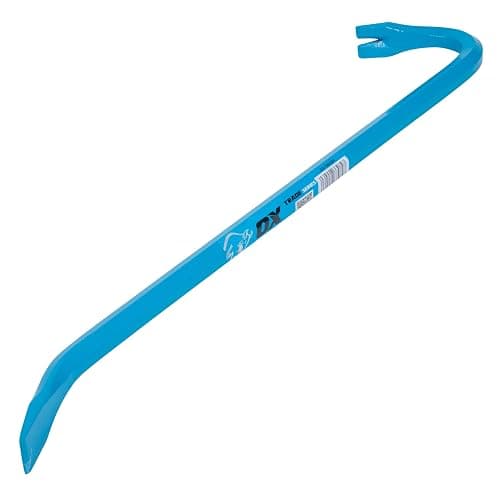
OX OX-T091024 Trade Wrecking Bar, Blue, 600 mm
Demo bar for stripping steel out of timber, masonry and old machinery.
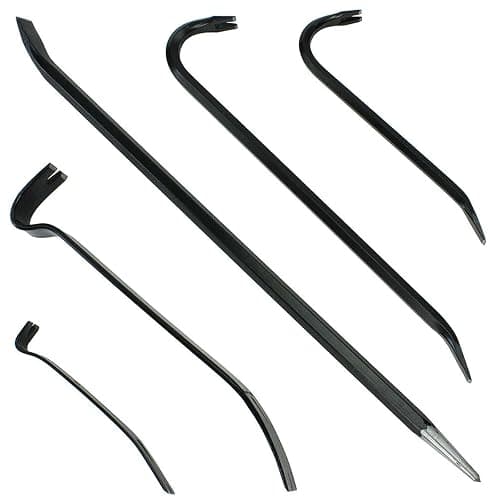
SPARES2GO 5 Piece Crowbar, Long Wrecking Rod & Flat Pry - Demolition Crow Bar Set (60cm 45cm 38cm 30cm 18cm)
Demo bar for stripping steel out of timber, masonry and old machinery.
How Does Steel Recycling Work in the UK?
Steel is the most recycled material on the planet. In the UK alone, over 10 million tonnes of steel scrap are recycled annually. The process is straightforward: scrap steel is collected, sorted by grade, shredded, and melted down in electric arc furnaces to produce new steel. Recycling steel uses 74% less energy than producing steel from iron ore.
The UK exports a significant portion of its ferrous scrap, primarily to Turkey. This is why UK scrap steel prices track the CFR Turkey benchmark — the cost of shipping scrap to Turkish steelworks sets the floor price for UK yards.
What Types of Steel Can You Recycle in the UK?
Heavy steel (HMS 1): Steel beams, rails, axles, heavy machinery, thick-walled pipe, steel plates. Minimum 6mm thickness. This is the highest-value ferrous grade.
Light steel (HMS 2): Car bodies, sheet metal, thin pipe, light structural steel. Thinner than 6mm but still substantial material.
Light iron: Tin cans, biscuit tins, white goods (washing machines, dryers, fridges after degassing), thin sheet metal.
Cast iron: Radiators, manhole covers, engine blocks, old pipes, cast iron cookware, firebacks.
Stainless steel: Kitchen sinks, cutlery, surgical instruments, marine fittings, food processing equipment. See our stainless steel prices page for current rates.
How Should You Prepare Steel Before Selling to a Scrap Yard?
Sort by grade. The single most impactful thing you can do. Separating heavy steel from light iron, and stainless from mild steel, can increase your payout by 20-30%. Use a magnet to identify stainless (it won't stick to most stainless steel grades).
Remove non-metal attachments. Rubber, plastic, wood, concrete, and other non-metallic materials reduce value. Remove bolted-on plastic parts, cut away rubber seals, and knock off concrete.
Cut to size if possible. Some yards offer better prices for material cut to their preferred size (usually under 1.5 metres). If you have cutting equipment, this can be worth the effort for large quantities.
Drain fluids. Radiators, cylinders, and machinery should be drained of oil, water, and other fluids before scrapping. Yards may refuse items containing hazardous fluids.
Where Can You Sell Scrap Steel in the UK?
Licensed scrap yards are the primary buyers. Under the Scrap Metal Dealers Act 2013, all yards must hold a local authority licence. Check your local council's register of licensed dealers.
Mobile scrap collectors will come to you, which is convenient for large items like radiators or old machinery. They typically pay slightly less than yards because of their travel costs.
What to bring: Photo ID (driving licence or passport) and proof of address (utility bill). Cash payments for scrap metal are banned in the UK — you'll be paid by cheque or bank transfer.
What Is the Environmental Impact of Steel Recycling?
Recycling steel has significant environmental benefits. Producing steel from scrap uses 74% less energy than producing it from virgin iron ore. It also reduces CO2 emissions by approximately 58%, conserves natural resources, and diverts material from landfill.
Steel can be recycled indefinitely without losing its properties. Every tonne of steel recycled saves 1.5 tonnes of iron ore, 0.5 tonnes of coal, and 40% of the water used in production.
Frequently Asked Questions
How much do scrap yards pay for a steel radiator?
A single-panel cast iron radiator (25–40 kg) typically pays £4–8 at UK scrap yards. A double-panel cast iron radiator (40–65 kg) pays £6–13. Modern pressed-steel radiators are lighter and pay less per item. Cast iron radiators command a premium because cast iron pays £0.15–0.20/kg, above HMS 2 rates.
Can you make money recycling steel?
Yes. Steel is one of the most recycled materials in the world and UK scrap yards pay for every ferrous and stainless grade. Heavy steel items like cast iron radiators, steel beams, and old machinery can be worth a meaningful amount — typically £5–20 per item for household scrap. Sorting by grade before selling increases payouts by 20–30%.
Do you get money for scrapping steel?
Yes — UK scrap yards pay cash equivalent for ferrous and stainless steel. Even light iron (the lowest grade) has value. A typical household haul: cast iron radiator £4–13, washing machine £4–8, end-of-life car £100–250. Cash payments are banned under the Scrap Metal Dealers Act 2013, so payment is by cheque or bank transfer. Bring photo ID.
What's the highest paying scrap right now?
Among common scrap metals, copper consistently pays most (£4–5/kg for bright copper wire), then brass (£3–4/kg) and 316 marine-grade stainless steel (£1.00–1.30/kg). Within ferrous steel scrap, plate & structural and HMS 1 pay the best per-tonne rates. Catalytic converters, lead, and aluminium also command strong prices but vary widely by sub-grade.
How much is scrap steel worth in the UK?
Today's UK scrap steel is worth £0.07–£0.28/kg depending on grade. HMS 1 (heavy melting steel) pays £0.15–0.22/kg, HMS 2 £0.10–0.19/kg, light iron £0.07–0.10/kg, cast iron £0.15–0.20/kg, and plate & structural £0.20–0.28/kg. Per tonne, that's roughly £70–£280. For full grade detail with live yard rates see our scrap steel prices page.
What types of steel can be recycled?
Almost all steel can be recycled: structural steel (beams, girders), sheet steel (car bodies, white goods), cast iron (radiators, pipes, manhole covers), stainless steel (kitchen sinks, cutlery, surgical instruments), tin cans, and old tools. The main exception is steel contaminated with hazardous materials, which requires specialist disposal.
Do I need a licence to sell scrap steel in the UK?
Individual householders don't need a licence to sell their own scrap. However, the Scrap Metal Dealers Act 2013 requires all UK scrap yards to hold a licence and verify your identity. You'll need photo ID and proof of address. Cash payments for scrap metal are banned in the UK — payment must be by cheque or bank transfer.